When it comes to installing new utility connections—whether electricity, gas, or water—timing, cost, and efficiency are critical concerns for property developers, construction companies, and even individual homeowners. Traditionally, the responsibility for connecting new builds or developments to utility networks fell to established regional suppliers or utility companies. However, the rise of “Independent Connection Provider” (ICPs) has transformed this space, offering faster, more cost-effective, and highly flexible alternatives.
An Independent Connection Provider is a certified company authorized to design, construct, and install utility infrastructure that connects properties or developments to the main distribution networks. These companies offer a competitive alternative to the traditional Distribution Network Operators (DNOs) and other licensed utility providers. In the UK and many other countries, ICPs have become an essential part of the utility landscape, bringing innovation, customer service, and customized solutions to the forefront.
The Role of Independent Connection Providers
ICPs are specialists in the design and delivery of utility connections for both new and existing developments. Their work can cover electricity, gas, and water services, and often includes everything from initial design consultation and project management to on-site installation and commissioning.
A typical project might include:
- Designing and planning the layout of utility networks
- Coordinating with the relevant authorities and securing necessary permissions
- Excavating and laying pipes or cables
- Installing meters and switchgear
- Connecting the new infrastructure to the local distribution or transmission network
Crucially, ICPs are accredited under schemes such as the National Electricity Registration Scheme (NERS), the Gas Industry Registration Scheme (GIRS), or the Water Industry Registration Scheme (WIRS). These accreditations confirm that the provider has met the industry standards for safety, quality, and technical competence.
Benefits of Using an Independent Connection Provider
One of the main reasons developers and contractors turn to ICPs is the flexibility and efficiency they offer. Unlike traditional network operators, who often have long waiting times or fixed procedures, ICPs can tailor their services to meet the specific needs of each project.
Here are some of the core benefits:
- Faster delivery times: Because ICPs are not restricted by the same bureaucratic processes as large utility companies, they can typically complete connections more quickly, helping projects stay on schedule.
- Cost savings: Competitive pricing is a major advantage. By obtaining quotes from multiple ICPs, developers can often find more affordable solutions than those offered by regional monopolies.
- Project customization: ICPs provide bespoke services. Whether a small-scale residential build or a large commercial development, these providers can scale their offerings to suit.
- Single point of contact: Many ICPs offer a full-service package, acting as the main contractor for utility works and providing one consistent contact throughout the project.
- Streamlined communication: With fewer layers of administration, ICPs are typically more responsive, keeping clients informed at each stage of the process.
- Nationwide coverage: While DNOs are regional, many ICPs operate nationwide, which is especially useful for developers with multiple sites across different regions.
Who Uses Independent Connection Providers?
ICPs are now commonly used across a wide range of sectors, including:
- Residential housing developments
- Commercial and industrial construction projects
- Retail parks and leisure complexes
- Educational and healthcare facilities
- Self-build and small developer projects
Their services are particularly valuable in projects with tight timelines or budget constraints, where delays to utility connections can create serious complications.
Electricity Connections
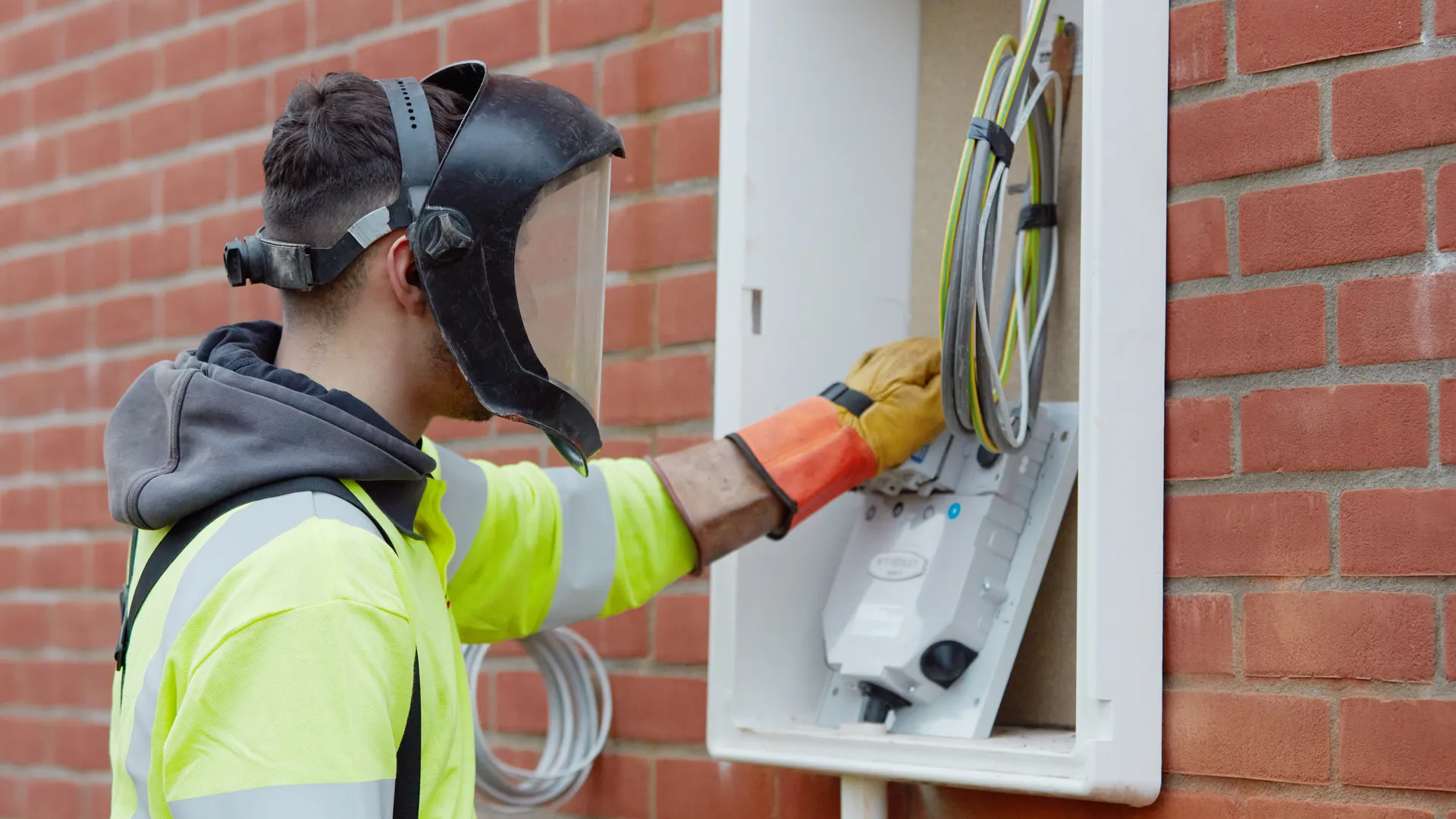
One of the most common services provided by an ICP is electricity connection. This includes low-voltage and high-voltage installations for homes, office blocks, manufacturing facilities, and more. ICPs handle the entire connection process—from liaising with the local DNO to designing the electrical layout and physically installing the infrastructure.
ICPs can also assist with electrical disconnections, meter removals, and upgrades to existing systems, ensuring that all works comply with the latest regulations and safety standards.
Gas and Water Connections
In addition to electricity, many ICPs offer services for gas and water infrastructure. This includes laying new pipelines, pressure testing, and connecting to existing mains networks. They may also carry out reinstatement work after installations, ensuring roads and footpaths are returned to their original condition.
The flexibility and responsiveness of ICPs in these areas mean that developers can coordinate utility works more efficiently alongside construction timelines.
Working with Local Authorities and Utility Owners
While ICPs handle much of the technical work, they must still coordinate with local councils, DNOs, or Gas Transporters (GTs) when connecting to the live network. This is because only the asset owner can carry out the final connection to their network.
However, one of the strengths of a good ICP is their experience in managing these relationships. They often handle all liaison and paperwork on behalf of the client, ensuring compliance and avoiding delays.
This collaboration is part of what makes the ICP model so successful: clients benefit from both the flexibility of an independent provider and the security of a connection managed in partnership with the utility owner.
Regulatory Oversight and Safety Standards
ICPs are subject to strict regulatory oversight. Their work is monitored to ensure it meets high standards of safety, efficiency, and environmental care. National accreditations require continuous assessments, and only providers who meet those standards can maintain their certifications.
This ensures that clients can trust the quality of work delivered, knowing it is compliant with industry best practices.
Future of Utility Connections and the Growing Role of ICPs
As demand for new housing, renewable energy projects, and infrastructure developments grows, so too does the need for reliable and adaptable utility connections. The market share of ICPs continues to expand as more developers look for alternatives to the traditional, slower routes.
Moreover, with the push toward sustainable and low-carbon technologies, including EV charging points and solar energy systems, ICPs are now involved in a broader range of electrical infrastructure projects. Their expertise in integrating modern technologies into utility networks makes them well-suited for the evolving demands of urban planning and energy efficiency.
Conclusion
Independent Connection Providers have become a vital part of the utility sector, offering a modern alternative to conventional utility connection methods. Their ability to deliver fast, flexible, and cost-effective solutions has made them the go-to choice for many developers, contractors, and homeowners in need of new utility services.
With industry-recognized certifications, advanced technical skills, and strong project management capabilities, ICPs bring professionalism and reliability to even the most complex utility connection projects. Whether it’s connecting a single home to the grid or managing the infrastructure for a large-scale development, these providers offer valuable services that help projects succeed from the ground up.