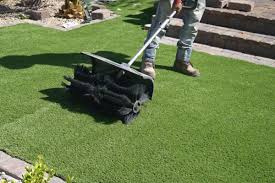
Turf surfaces are increasingly used in residential landscapes, sports areas, playgrounds, and commercial properties because of their durability and consistent appearance. However, maintenance statistics show that turf maintenance surfaces without structured care gradually lose their functional and hygienic qualities. Dust, organic matter, and daily usage affect both performance and safety.
Turf maintenance services are designed to preserve surface integrity over time. Data from long-term surface evaluations indicates that regularly maintained turf retains its durability, cleanliness, and visual appeal far longer than turf that receives irregular or minimal care.
How Does Turf Deteriorate Without Proper Maintenance?
Although turf is manufactured to withstand heavy use, it is still exposed to environmental and human factors. Wind deposits fine dust, nearby vegetation sheds organic debris, and constant foot traffic compresses fibers and infill.
Environmental monitoring data suggests that contaminants begin accumulating within weeks. Without maintenance, infill compaction reduces drainage efficiency, fibers flatten, and hygiene levels decline. Turf maintenance addresses these issues before they lead to permanent surface damage.
What Do Statistics Reveal About Maintained vs. Unmaintained Turf?
Comparative studies between maintained and neglected turf surfaces show clear performance differences. Maintained turf consistently demonstrates better shock absorption, traction, and surface uniformity.
Hygiene assessments also indicate lower levels of bacteria and allergens on turf receiving routine maintenance. These findings reinforce the importance of professional turf maintenance services focused on both durability and hygiene.
Why Is Hygiene a Core Component of Turf Maintenance?
Hygiene is a critical but often overlooked aspect of turf care. Turf surfaces can trap bacteria, allergens, and organic waste if not properly maintained.
Surface hygiene reports show that regular maintenance significantly reduces microbial presence. This is particularly important in areas used by children, pets, and large groups, where direct contact with the surface is common.
How Does Turf Maintenance Improve Safety?
Safety depends heavily on surface consistency and cleanliness. Compacted infill, debris buildup, and uneven fibers can increase slip risks and reduce shock absorption.
Surface testing data demonstrates that maintained turf provides more stable footing and consistent cushioning. By restoring fiber alignment and infill balance, turf maintenance services help create safer environments for all users.
What Role Does Infill Management Play in Turf Maintenance?
Infill material supports turf fibers and contributes to comfort and resilience. Over time, infill can become compacted or contaminated.
Maintenance performance data shows that turf maintenance services loosen compacted infill and remove fine debris. Proper infill management improves drainage, restores elasticity, and ensures even surface behavior across the turf area.
How Does Turf Maintenance Support Drainage Performance?
Efficient drainage is essential for turf usability. When infill becomes clogged, water flow slows, leading to pooling and moisture retention.
Drainage studies confirm that well-maintained turf drains water more effectively. Improved drainage reduces downtime after rainfall and limits moisture-related hygiene issues.
How Often Should Turf Maintenance Be Performed for Best Results?
Maintenance frequency depends on usage intensity and environmental exposure. Usage-based statistics provide helpful guidelines:
- Residential turf benefits from periodic maintenance
- Commercial and sports turf requires scheduled routine care
- High-traffic and pet-use areas need more frequent attention
Consistent maintenance schedules support durability and prevent costly surface issues.
Why Are Professional Turf Maintenance Services More Effective Than Basic Care?
Basic care such as brushing or rinsing addresses only surface-level issues. It does not remove embedded contaminants or restore infill balance.
Industry research shows that professional turf maintenance services use specialized methods to address both visible and hidden problems. This comprehensive approach preserves surface structure while improving hygiene and performance.
How Does Turf Maintenance Enhance Visual Quality?
Over time, turf can appear dull, flattened, or uneven due to debris and fiber compression.
Visual inspection data indicates that maintained turf retains vibrant color and upright fibers. Enhanced appearance improves curb appeal for residential properties and reinforces professionalism in commercial settings.
What Benefits Does Turf Maintenance Offer for High-Traffic Areas?
High-traffic areas experience faster wear due to constant movement and pressure. Without maintenance, these areas degrade unevenly.
Usage analysis shows that turf maintenance redistributes infill and revitalizes fibers in heavily used zones. This ensures uniform performance and appearance across the entire surface.
How Does Turf Maintenance Support Pet-Friendly Environments?
Pet activity introduces additional hygiene challenges, including odors and bacteria. Turf maintenance plays a vital role in managing these issues.
Research on pet-use turf surfaces shows that regular maintenance significantly reduces odor-causing residues and microbial buildup. Clean turf creates a safer and more comfortable space for pets and owners.
What Environmental Benefits Are Linked to Turf Maintenance Services?
Proper maintenance supports sustainability by extending turf lifespan. Longer-lasting surfaces reduce the need for replacement materials and associated waste.
Environmental impact data suggests that maintained turf contributes to efficient water drainage and responsible resource use. Turf maintenance aligns with environmentally conscious property management practices.
How Does Turf Maintenance Reduce Long-Term Costs?
Preventive maintenance is more cost-effective than repairs or replacement. Turf maintenance addresses minor issues before they escalate into major problems.
Cost analysis reports show that properties with regular turf maintenance experience lower repair expenses and longer surface lifespan. This approach protects the initial investment and ensures predictable maintenance costs.
Why Is Odor Control an Important Part of Turf Maintenance?
Odors often result from organic matter trapped within turf fibers and infill layers. Without maintenance, odors can become persistent.
Surface hygiene studies indicate that turf maintenance significantly improves odor control by removing contaminants at their source. This results in a fresher and more pleasant outdoor environment.
How Does Turf Maintenance Improve User Comfort?
Comfort depends on surface cleanliness, cushioning, and consistency. Dirty or compacted turf can feel harder and less responsive.
Comfort evaluation data shows that maintained turf offers better shock absorption and a more comfortable feel underfoot. This enhances user experience in recreational, athletic, and residential settings.
What Are the Signs That Turf Requires Maintenance?
Routine inspections identify several indicators that maintenance is needed:
- Flattened or matted fibers
- Poor drainage after rainfall
- Persistent odors
- Visible debris buildup
Early intervention prevents further surface degradation and preserves performance.
How Does Turf Maintenance Align With Modern Property Standards?
Modern property standards emphasize hygiene, safety, and long-term durability. Turf maintenance services align with these expectations by delivering measurable improvements.
Industry benchmarks show that maintained turf consistently meets safety and hygiene requirements across residential, commercial, and recreational environments.
Why Should Property Owners Invest in Professional Turf Maintenance Services?
Professional turf maintenance services combine expertise, consistency, and proven techniques. They are designed specifically for synthetic surfaces.
Performance tracking data confirms that turf maintained professionally retains its appearance, hygiene, and durability longer than turf maintained through informal methods. This reliability builds trust and confidence in professional services.
Conclusion: Why Are Turf Maintenance Services Essential for Durability and Hygiene?
Turf maintenance services are essential for preserving surface durability and hygiene over time. Statistical evidence clearly shows that maintained turf offers better safety, improved drainage, and longer lifespan.
By addressing hygiene, infill balance, and surface structure, turf maintenance protects both performance and appearance. Whether for residential lawns, commercial properties, or high-traffic recreational areas, professional turf maintenance ensures reliable results and long-term value.
Well-maintained turf is not just about appearance—it is about creating cleaner, safer, and more durable outdoor spaces designed to perform every day.