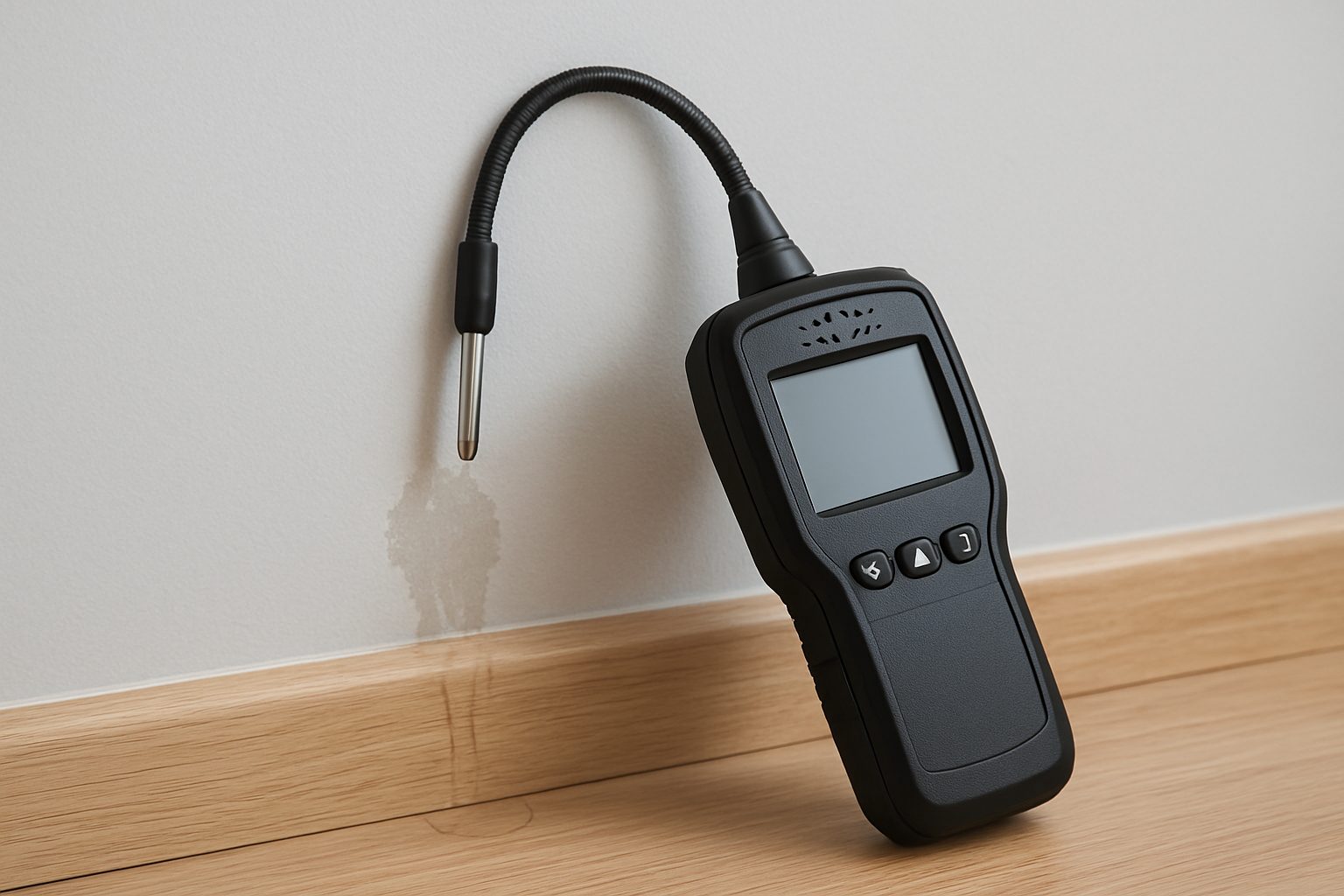
Why has professional pool leak detection become important for property owners?
Swimming pools are valuable additions to residential and commercial properties, but maintaining their condition requires regular care and accurate inspections. Industry observations show that even small leaks can gradually increase water usage, affect chemical balance, and impact overall pool performance. With advanced inspection methods and experienced professionals, pool leak detection Dallas Fort Worth services help identify hidden water loss issues and provide effective solutions designed to maintain pool efficiency. Early detection allows property owners to protect their investment and enjoy a reliable swimming environment.
What are the major reasons behind pool water loss?
Pool water loss can happen due to different factors, including plumbing issues, structural concerns, damaged fittings, aging equipment, and surface cracks. While normal evaporation is expected, unusual water level changes may indicate a hidden problem. Statistics from pool maintenance trends show that early identification of leaks can reduce repair complexity and help prevent additional maintenance expenses. Understanding the cause of water loss is the first step toward restoring proper pool performance.
How can homeowners recognize the signs of a possible pool leak?
Several warning signs can indicate that a pool requires inspection. Frequent water refilling, unexpected increases in water bills, wet areas around the pool, loose tiles, or changes in filtration performance may suggest a leak. Monitoring these changes regularly helps homeowners take action before the issue becomes more challenging. Professional assessment provides a clearer understanding of the problem and supports effective repair planning.
Why is accurate leak detection better than general troubleshooting?
Finding the exact location of a pool leak requires detailed evaluation and specialized knowledge. General troubleshooting may overlook hidden issues, leading to repeated water loss and unnecessary repairs. Professional detection methods help examine different parts of the pool system, including plumbing lines, drains, equipment connections, and structural areas. Accurate identification ensures that repairs are focused on the actual source of the problem.
What techniques are commonly used to locate pool leaks?
Modern pool inspections use advanced techniques to improve accuracy and efficiency. Professionals may use pressure testing, visual evaluations, dye testing, and other diagnostic approaches to identify potential leak locations. These methods allow technicians to evaluate the condition of the pool system without causing unnecessary disruption. A detailed inspection provides valuable information that helps create a suitable repair strategy.
How does timely pool leak detection benefit homeowners?
Addressing leaks quickly provides several advantages for pool owners. Early detection helps reduce water waste, maintain proper chemical levels, and protect surrounding structures. It also supports better equipment performance by preventing additional stress on pumps and filtration systems. A proactive approach helps maintain the pool’s condition and reduces the possibility of larger repair requirements in the future.
Can regular pool inspections improve long-term pool maintenance?
Yes, regular inspections play an important role in maintaining pool reliability. Preventive evaluations help identify minor concerns before they develop into significant issues. Consistent maintenance routines allow homeowners to monitor water levels, check equipment performance, and maintain a clean and efficient pool environment. Regular care contributes to better durability and improved overall swimming experiences.
What makes professional pool leak solutions a valuable choice?
A professional approach combines proper inspection, accurate diagnosis, and suitable repair techniques. Every pool has unique features, designs, and usage patterns, so solutions should be based on detailed evaluation rather than assumptions. Quality service helps restore normal operation while supporting long-term efficiency and reliability.
How can property owners maintain their pool after leak repairs?
After completing repairs, homeowners should continue monitoring water levels, maintaining equipment, and following recommended care practices. Regular attention helps protect the repaired areas and keeps the pool operating smoothly. Preventive maintenance is a practical way to extend the lifespan of pool components and maintain consistent performance throughout the year.
Conclusion
Effective pool care depends on early awareness, accurate inspections, and professional repair solutions. Pool leaks can often be managed successfully when detected at the right time and addressed with the proper methods. By understanding common signs, using reliable detection techniques, and following preventive maintenance practices, property owners can enjoy a more efficient, durable, and well-maintained swimming pool for years to come.