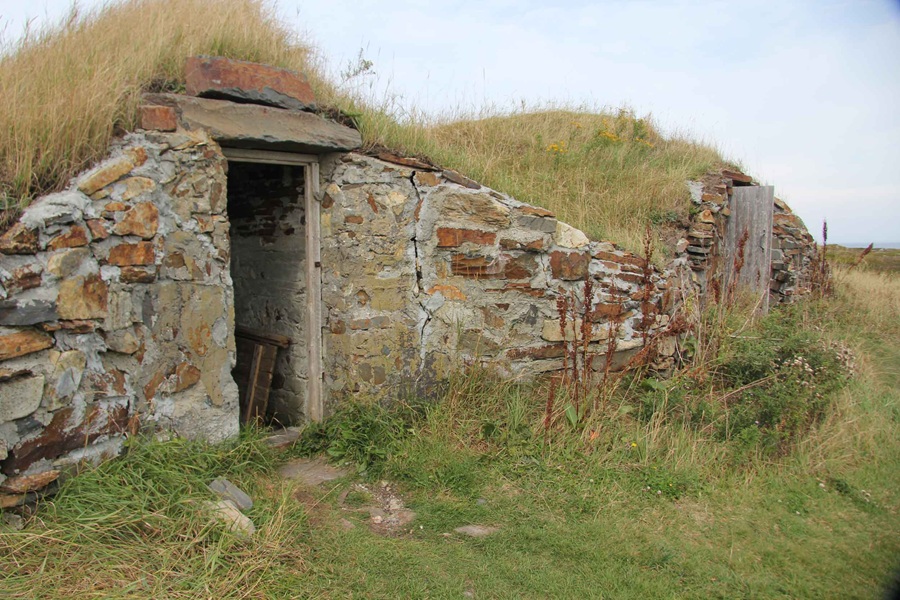
Many St. Louis homeowners in older homes find a nasty surprise underfoot. Root cellars used to be the go-to way to keep food fresh before refrigeration, and are now prime real estate for all sorts of pests. The damp environment in these long-forgotten subterranean spaces creates a year-round habitat for insects & rodents. These dark, moist pockets, compounded by St. Louis’s humid continental climate, make pest problems especially persistent in historic neighborhoods such as Soulard, Lafayette Square, and Tower Grove South.
Since the U.S. Census Bureau reported that almost 44% of St. Louis housing units were built before 1950, thousands of homes may harbor these pest havens. Professional inspection from Columbia exterminators can recognize root cellar problems before they become a full-blown infestation, but only if you are facing (at least partly) mysterious pest activity.
What Makes Root Cellar Remnants Ideal for Pests?
Root cellars were built to keep vegetables and canned goods cool and moist. Those same conditions are what pests need to survive, which is unfortunate. The year-round moisture is perfect for breeding insects, and the steady temperatures keep rodents safe from St. Louis’ ice-cold winters and scorching summers. These are often poorly ventilated spaces where humidity can remain high for long periods.
With age, cracks form, and countless entry and hiding spots are created within old stone or brick walls. They feed on organic debris, rotten wood supports, and soil that accumulates, providing both foraging and nesting. Due to the darkness and seclusion, these insects can build their populations over months and even years without disturbance.
Pests Commonly Found in Old St. Louis Root Cellars
A species of moisture-loving pest attracted to root cellar remnants in St. Louis homes:
- Termites – The subterranean and the dampwood types both attack the wood used for the support and the floor joists linked to such spaces
- Carpenter ants – They form extensive tunnel networks, attracted to decaying wood and elevated water content
- Cockroaches – Oriental and American cockroaches especially adore the moist obscurity that is created by these cellars
- Spiders – Little Brown Recluses and Little Brown Recluse Cellar Spiders congregate in undisturbed areas
- Centipedes and millipedes – Flourish among the damp earth and rock scenery
- Rats and mice – Keep root cellars as protected nesting spaces with clear access above to the main house
Structural Conditions That Make the Problem Worse
There are some elements of old-style St. Louis root cellars that make pests much worse:
- Crumbling mortar – The limestone and brick construction typical of 19th-century St. Louis homes decays, and gaps are created over time
- Standing water – St. Louis sees an average of 42 inches of rain every year, and heavy rains cause water to pool and poor drainage.
- Earthen floors – Unpaved floors lead to direct contact with the ground, which gives pests easy access from outside.
- Inadequate sealing – Older constructions are usually without a moisture barrier or pest exclusion methods
- Compromised foundations – Settlement and age produce gaps between the cellar and the living spaces upstairs
- Rotting wood beams – Continual moisture on exposed support timbers causes decay, which can attract wood-destroying insects
When You Should Call a Pest Control Expert
You should not wait to experience various pests traversing your significant living areas. If you live in a St. Louis house that predates 1960, some kind of root cellar or buried room is likely under it. A professional inspection is warranted for unusual musty smells, unexplained infestations near basement areas, or noticeable structural damage. Pointe Pest Control and companies like it know how to address the issues these historic spaces face. They will detect moisture, determine whether infestations are active, and create treatment programs to eradicate current pest issues while also addressing the conditions that bring them in. This is especially useful in St. Louis, where humidity breeds pest activity during the summer months. Prompt action prevented minor problems from becoming costly structural repairs later.