Mosquitoes constantly give headaches to homeowners in Algonquin during the warmer months. Their bites are itchy and irritating. They carry health risks that no homeowner wants to deal with. Sprays and traps can help against these pests, but landscaping also impacts mosquito populations around a property. Thankfully, you can make your yard less appealing to these pests with the right approach. Also, you can turn to Poine Pest Control if you need help in eliminating and preventing mosquito infestations. The company’s pest control experts eliminate breeding grounds to reduce and stop mosquitoes from reproducing. Then, they kill mosquito larvae and adult mosquitoes on contact. They will assess your property first to identify sources of water and resting areas for mosquitoes. This allows them to implement targeted treatments. Below are ways to reduce mosquito populations with good landscaping practices:
Managing Standing Water
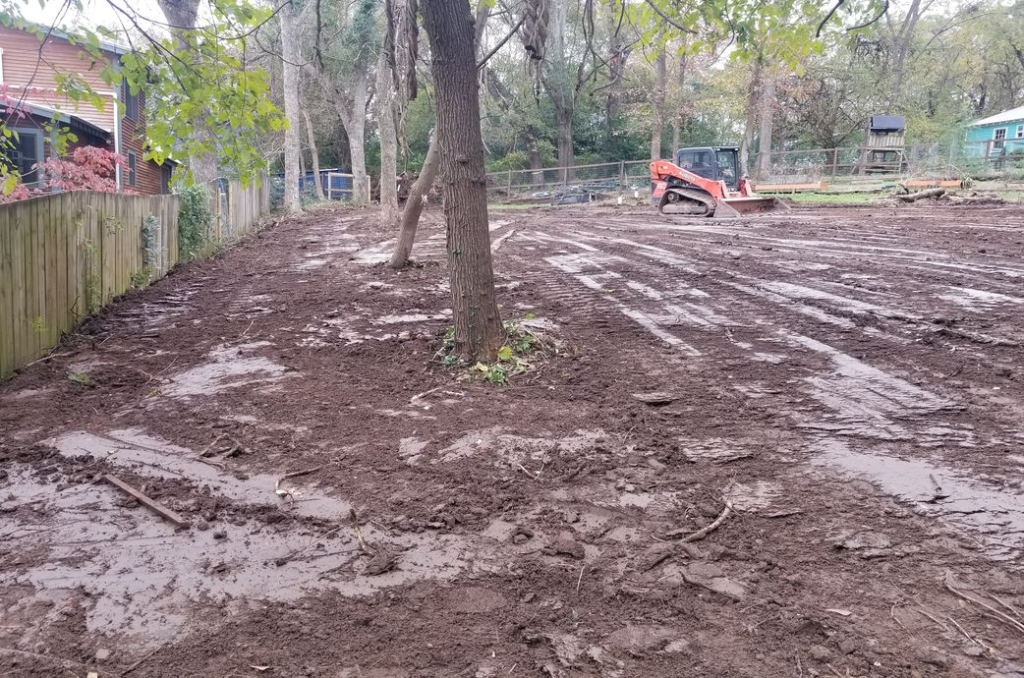
Poor drainage and uneven grading offer mosquitoes many breeding opportunities. Adjusting the slope of the yard to ensure rainwater flows away from the house helps reduce stagnant water. Also, you should nstall French drains, and keep gutters clear. Landscaping with water flow in mind makes the environment less suitable for mosquitoes.
Choosing Plants That Repel Mosquitoes
Some plants naturally deter mosquitoes with their fragrance. You can make the outdoor environment less welcoming to mosquitoes if you add lavender, marigolds, citronella grass, basil, or rosemary to garden beds and patio areas. These plants alone won’t eliminate mosquitoes, but they can be part of a broader landscaping strategy.
Trimming Overgrown Vegetation
Mosquitoes can rest in thick bushes, tall grass, and overgrown shrubs during the day. Trimming hedges and mowing the lawn regularly reduces these hiding places. You should also thin dense vegetation.
Incorporating Natural Predators
Certain landscaping choices can encourage natural mosquito predators to thrive. For example, adding birdhouses or bat boxes can attract species that feed on mosquitoes. Creating a balanced ecosystem with dragonflies and frogs can help reduce mosquito populations.
Managing Decorative Water Features
Ponds, fountains, and birdbaths provide opportunities for mosquitoes to breed. To prevent this, water features should include pumps or filters to keep the water circulating. Adding mosquito-eating fish like goldfish or koi to ponds also helps. Birdbaths should be refreshed often to avoid stagnant water that becomes a mosquito nursery.
Considering Hardscaping
Replacing areas of turf or mulch near the home with gravel, stone pathways, or patios can reduce the amount of soil that holds moisture. Hardscaping cuts down on mosquito habitats and makes outdoor areas more functional.
Ensuring Proper Placement of Landscaping Elements
Firewood piles, compost bins, and dense plants in Algonquin should not sit right against the home’s foundation. These areas often trap moisture. Leave space between structures and landscaping to improve airflow and reduce humidity. This prevents mosquitoes from setting up camp.
Ensuring Lawn Care and Soil Health
Healthy lawns drain better and hold less water, reducing the chance of mosquito breeding. Aerate compacted soil and add organic matter to improve water absorption. Lawns with good drainage dry faster after rain, which keeps mosquitoes from laying eggs in soggy patches.
Making the Right Lighting Choices
Mosquitoes are attracted to certain types of light. Replacing bright white bulbs with yellow or warm LED lights in outdoor fixtures helps reduce their presence outdoors. Integrate lighting carefully into landscaping design to add beauty to the yard and minimize mosquito activity during evening hours.
Managing Yard Debris
Leaves, grass clippings, and other organic debris trap moisture when left on the ground. Mosquitoes thrive in these damp areas. Raking leaves, bagging clippings, and keeping compost piles well-managed reduce the conditions that attract pests.
Creating Airflow in Outdoor Spaces
Mosquitoes prefer still air, which is why they congregate in sheltered spots. Landscaping that allows airflow makes outdoor living areas less attractive to them. Strategic placement of plants and open patio designs helps keep mosquitoes away from high-use spaces in Algonquin.