
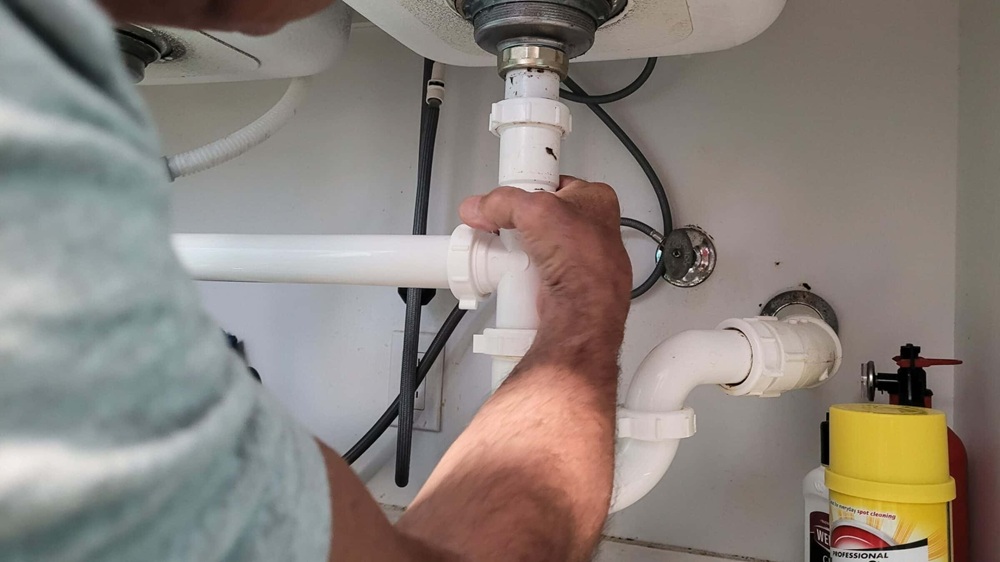
Extreme weather events such as freezing temperatures, heat waves, heavy rainfall, and storms can place significant stress on your home’s plumbing system. Without the right planning, these situations can cause pipes to burst, water damage, sewer backups, and expensive last-minute fixes. Taking proactive steps before severe weather arrives can help protect your plumbing, your property, and your peace of mind.
Understand How Extreme Weather Affects Plumbing
Different weather conditions create different risks for plumbing systems. When the temperature drops, water inside pipes can freeze and expand, raising the pressure until the pipes crack or burst. Excessive heat can weaken pipe joints and cause soil shifting that affects underground lines. Heavy rain and flooding may overwhelm drainage systems and lead to sewer line backups. Understanding these risks is the first step toward effective preparation.
Insulate Exposed Pipes Before Temperatures Drop
One of the most important preparations for cold weather is insulating exposed pipes. Pipes located in garages, crawl spaces, basements, and exterior walls are especially vulnerable. Adding foam pipe insulation or insulation wraps helps maintain stable temperatures inside the pipes and reduces the risk of freezing. Sealing gaps around walls and foundations also prevents cold air from reaching plumbing lines.
Protect Outdoor Plumbing Fixtures
Outdoor faucets, hoses, and irrigation systems often suffer the most during extreme weather. Before freezing conditions, disconnect garden hoses and shut off water supply lines to outdoor spigots if possible. Drain any remaining water from the pipes to prevent ice buildup. During periods of intense heat or storms, check outdoor fixtures for cracks or loose connections that could worsen under pressure.
Maintain Drains and Sewer Lines
Extreme weather often exposes existing weaknesses in drainage systems. Clear debris from drains, gutters, and downspouts to ensure water flows away from your home. Slow-draining sinks or recurring backups may signal deeper sewer line issues that become more serious during heavy rain. Scheduling a professional inspection before severe weather arrives can help identify and resolve problems early.
Prepare Your Water Heater for Temperature Changes
Water heaters are sensitive to weather-related stress, especially during cold snaps when demand increases. Insulating the water heater tank and exposed hot water pipes helps improve efficiency and reduce strain. Set the temperature to a safe level to avoid overheating. Regular flushing and maintenance also ensure the system performs reliably when weather conditions are extreme.
Know When to Call a Professional
While many preventive steps can be handled by homeowners, some situations require expert assistance. Persistent leaks, unusual water pressure changes, or unexplained increases in water bills should never be ignored. Having access to a trusted 24 hour plumber Houston ensures that emergency issues can be addressed quickly, even during storms or unexpected weather events when plumbing failures are most likely to occur.
Create an Emergency Plumbing Plan
Preparation also includes planning for worst-case scenarios. Locate the main valve that shuts off your home’s water. Make sure that everyone who lives there knows how to use it. Keep emergency contact numbers accessible and store basic plumbing supplies such as towels, buckets, and pipe repair tape. Acting quickly during an emergency can significantly reduce damage.
Final Thoughts
As a responsible homeowner, you should make sure your plumbing is ready for harsh weather. Costly repairs and disruptions can be avoided by insulating pipes, keeping drains clean, covering outdoor fixtures, and staying aware of early warning signs. You can keep your plumbing system working and protect your home in any weather by taking action ahead of time and knowing when to get professional help.
