
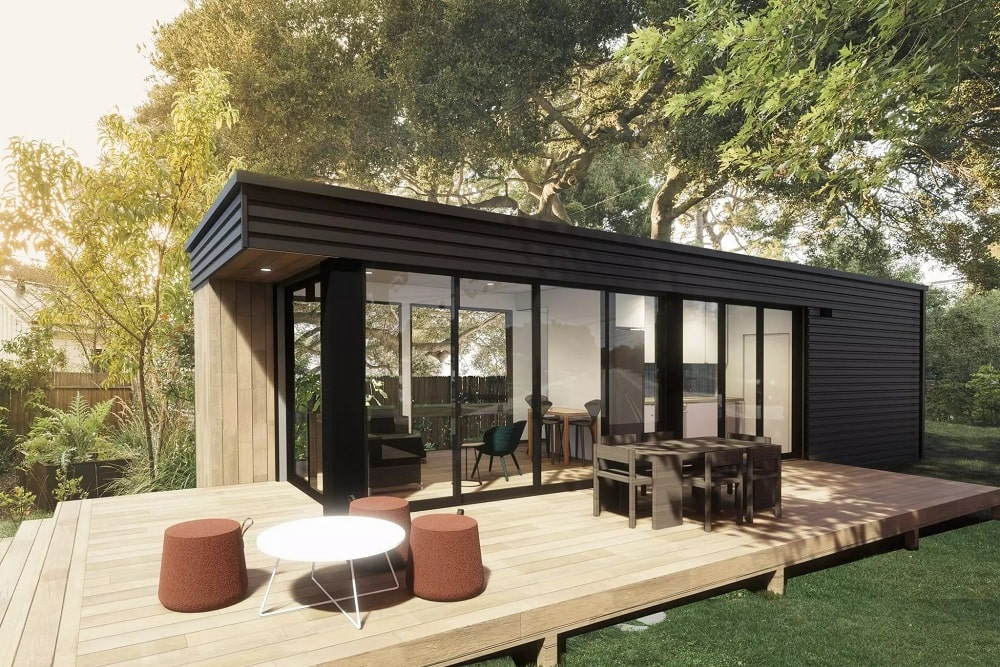
Prefab building has evolved far beyond its early image of standardized, cookie-cutter houses. Today, homeowners are embracing the opportunity to fully customize modular designs, creating spaces that reflect their lifestyles, tastes, and practical needs.
This transformation is redefining the way we think about home construction, merging speed and efficiency with individuality and creativity.
Why Customization Matters in Prefab Homes
One of the most attractive features of modern prefab building is its ability to offer a personalized living experience without the lengthy timelines or unpredictable costs of traditional construction. By allowing buyers to adapt layouts, finishes, and functional features, customization ensures that the home is not just a structure, but a reflection of its occupants.
For example, a growing family might prioritize additional bedrooms and storage space, while a remote worker could design a dedicated home office with integrated soundproofing. This flexibility turns the prefab model into a blank canvas for personal expression.
Key Areas of Customization
Modern prefab homes can be adapted in numerous ways to meet unique needs:
1. Floor Plans and Layouts
Buyers can choose from various base models and then modify the arrangement of rooms to suit their lifestyle. Open-plan kitchens, extended living areas, or split-level designs are common requests.
2. Exterior Finishes
From sleek metal cladding to warm wooden facades, exterior materials can be selected to match both aesthetic preferences and environmental conditions. Roof shapes, window placements, and porch additions are also customizable.
3. Interior Design
The inside of a prefab home can be just as unique as its occupants. Homeowners can choose wall colors, flooring materials, cabinetry styles, and lighting options to create a consistent design theme.
4. Energy and Technology Upgrades
Sustainability-focused buyers can integrate solar panels, high-performance insulation, or energy-efficient appliances. Smart home systemscovering lighting, climate control, and securityare increasingly popular add-ons.
5. Special Features
From built-in bookshelves and custom kitchen islands to accessible design for mobility needs, prefab customization can address both comfort and functionality.
Balancing Speed with Personalization
One misconception about prefab homes is that customization might slow down the famously fast construction process. Many manufacturers incorporate customization options into the planning phase, ensuring that personal touches are seamlessly integrated before production begins. This approach keeps the overall build time shorter than conventional construction, while still delivering a home that feels one-of-a-kind.
Benefits Beyond Aesthetics
Customizing a prefab home is not just about looks—it is also about improving efficiency and liability. A tailored layout can maximize natural light, improve ventilation, and make better use of space. Choosing the right materials can reduce maintenance needs and enhance energy performance, leading to long-term cost savings.
The Future of Curated Prefab Homes
With advancements in manufacturing technology and digital design tools, the possibilities for prefab customization are expanding. Virtual reality walkthroughs, 3D modelling, and modular add-ons make it easier than ever for homeowners to visualize and refine their ideas before construction begins.
Conclusion
Prefab building is no longer about accepting a predetermined model—it is about creating a home that grows from your vision. Whether you are seeking a cozy retreat, a family hub, or a modern showcase, today’s prefab customization ensures that your home is not just built—it is curated.

