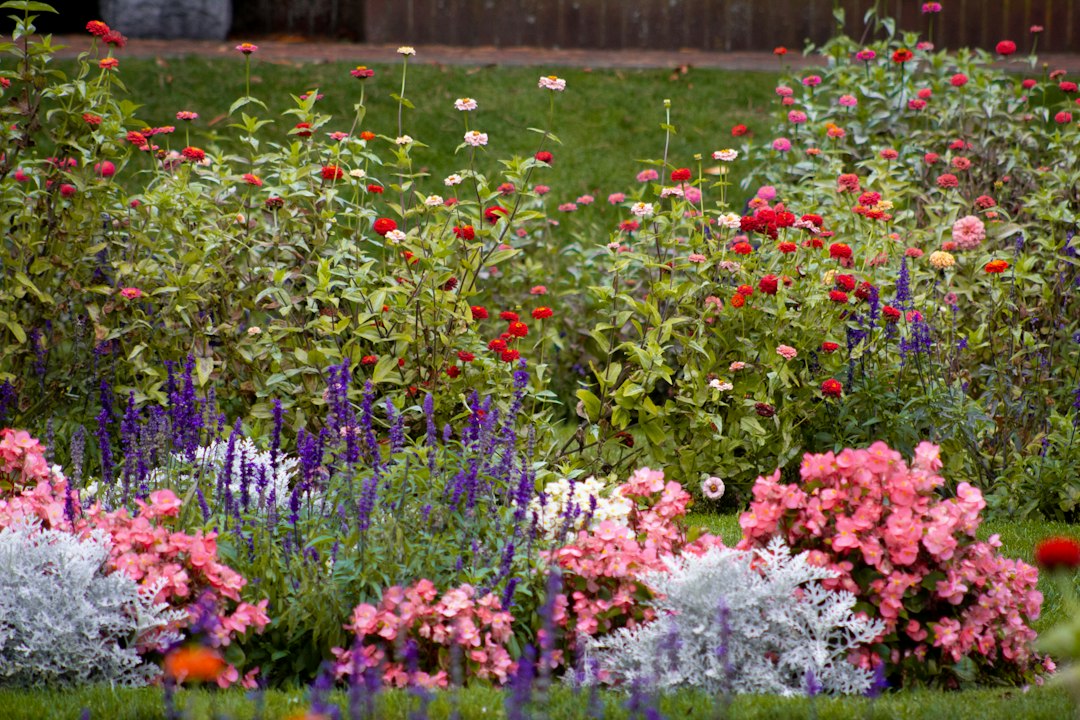
Gardens across Britain continue to evolve as people look for practical ways to grow plants, improve outdoor spaces and make better use of every available area. From compact urban gardens to larger backyards and allotments, gardening uk reflects a broad range of growing habits shaped by changing seasons, local weather, soil conditions and individual preferences. Modern gardening is increasingly focused on useful information, seasonal planning and sustainable techniques that make outdoor spaces productive, attractive and enjoyable throughout the year.
Table of Contents
- The Changing Landscape of British Gardening
- Seasonal Gardening Remains a Major Planning Factor
- Growing Food at Home Is Increasingly Practical
- Small Gardens Can Deliver Strong Results
- Soil Quality Influences Long-Term Garden Performance
- Wildlife-Friendly Gardening Adds Another Dimension
- Lawn Care Is Becoming More Purposeful
- Garden Design Is Moving Towards Multi-Use Spaces
- Gardening Knowledge Is Becoming More Accessible
- The Future of British Gardening
- Conclusion
The Changing Landscape of British Gardening
British gardening has developed into a diverse activity that combines traditional horticulture with modern approaches to garden management. Gardeners are no longer limited to large lawns, flower borders or conventional vegetable beds. Containers, raised beds, vertical planting, wildlife-friendly areas and compact growing systems have created new opportunities for people with different amounts of available space.
The structure of a garden often determines how successfully plants can be grown. A sunny garden can support fruit, vegetables and flowering plants that require substantial light, while shaded areas can be developed with suitable woodland-style plants, ferns and shade-tolerant varieties. This makes garden planning increasingly dependent on understanding the characteristics of the individual space.
Seasonal awareness remains one of the strongest factors influencing gardening success. British gardens experience significant changes throughout the year, making timing an essential part of planting, pruning, feeding and harvesting.
Seasonal Gardening Remains a Major Planning Factor
The British gardening calendar follows a natural rhythm. Spring introduces new growth, summer brings strong development and flowering, autumn focuses attention on harvesting and preparation, while winter provides an opportunity for maintenance and planning.
Spring is particularly important for establishing new growth. Seeds can be started, young plants can be introduced and soil can be prepared for the growing season. Gardeners also use this period to assess winter damage and prepare beds for new planting.
Summer generally represents the most active period for growth. Regular watering, pruning, harvesting and lawn maintenance become central activities. Flower borders reach their strongest displays, while fruit and vegetable gardens can provide a continuous supply of fresh produce.
Autumn shifts attention toward preparation. Fallen leaves can be collected for composting, perennial plants can be divided and selected bulbs can be planted for future seasonal colour. It is also an important period for assessing soil and improving growing areas before winter.
Winter offers a quieter gardening period but remains valuable for structural maintenance and future planning. Gardeners can repair tools, organise seeds, maintain structures and decide which areas should be redesigned when spring returns.
Growing Food at Home Is Increasingly Practical
Growing vegetables, herbs and fruit has become an important part of modern home gardening. Even relatively small spaces can be used productively when planting is carefully planned.
Herbs are particularly suitable for containers and compact gardens because they require limited space and can be harvested regularly. Leafy vegetables can also be grown in small beds or containers, allowing gardeners to make productive use of patios, balconies and other restricted areas.
Larger gardens provide opportunities for more extensive vegetable production. Crops such as potatoes, beans, courgettes, tomatoes and onions can become part of a seasonal growing plan. Combining crops with different harvesting periods can help maintain productivity over a longer part of the year.
The appeal of home-grown food extends beyond the harvest itself. Growing vegetables gives gardeners greater awareness of seasonal availability and encourages a closer connection with soil, plants and natural cycles.
Small Gardens Can Deliver Strong Results
Limited space does not necessarily mean limited gardening potential. Small gardens can be carefully divided into functional areas, allowing decorative planting, food production and relaxation spaces to exist together.
Raised beds can provide defined growing areas while making soil management easier. Containers allow plants to be moved when necessary and can be positioned according to sunlight requirements. Vertical gardening can make use of walls, fences and other unused surfaces.
A well-designed small garden can also create visual depth. Plants of different heights, textures and flowering periods can make a compact space appear more varied. Evergreen planting can provide structure during quieter months, while seasonal flowers can introduce changes throughout the year.
The important factor is not simply the size of a garden but how effectively the available space is organised.
Soil Quality Influences Long-Term Garden Performance
Healthy soil forms the foundation of productive gardening. Soil provides plants with physical support, water and nutrients, making its condition an important consideration before extensive planting begins.
Different British gardens can contain clay, sandy, chalky or loamy soils, and each type has its own characteristics. Understanding the existing soil allows gardeners to select suitable plants and make targeted improvements.
Organic matter can play an important role in maintaining soil structure. Compost and well-rotted organic materials can help improve growing conditions while supporting the natural activity of soil organisms.
Rather than treating soil improvement as a single task, successful garden management often considers it an ongoing process. Regular addition of organic matter, sensible watering and appropriate planting can contribute to better soil performance over time.
Wildlife-Friendly Gardening Adds Another Dimension
Modern gardens increasingly combine ornamental and practical planting with wildlife-supporting features. A garden can become a useful habitat by providing food, shelter, water and suitable areas for insects, birds and other wildlife.
Flowering plants can provide valuable sources of nectar and pollen, while shrubs and trees offer shelter and nesting opportunities. A small pond or water feature can introduce another habitat type, while areas of natural planting can provide cover for insects and small animals.
Wildlife-friendly gardening does not require an entire garden to become informal. Carefully planned borders can combine attractive planting with ecological value. Even small changes can contribute to a more varied garden environment.
This approach also adds seasonal interest. Wildlife activity changes throughout the year, meaning gardens can provide different experiences from spring through winter.
Lawn Care Is Becoming More Purposeful
Lawns remain an important feature of many British gardens, but modern lawn care increasingly focuses on practical maintenance rather than achieving a single visual standard.
Mowing frequency can be adjusted according to seasonal growth, while aeration and scarification can help maintain healthier turf when conditions require them. Bare or damaged areas can be repaired with appropriate preparation and reseeding.
The position of the lawn within the overall garden design also matters. A lawn can act as an open central area surrounded by borders, trees, shrubs and planting beds. In smaller gardens, reducing lawn space can create additional opportunities for flowers, vegetables or seating.
Effective lawn management therefore depends on how the grass is being used and the wider purpose of the garden.
Garden Design Is Moving Towards Multi-Use Spaces
The modern British garden increasingly functions as an extension of the home. Outdoor areas may provide space for relaxation, entertaining, gardening, growing food and enjoying nature.
Garden design can reflect these different uses through clear zones. A seating area can sit alongside ornamental borders, while a vegetable bed can occupy a practical corner. Paths can connect different sections and improve accessibility.
Materials, planting styles and structures can be selected according to the character of the property. Pergolas, raised beds, garden rooms, patios and vertical planting features can all contribute to a more purposeful outdoor environment.
The strongest garden designs are often those that balance appearance with everyday usability.
Gardening Knowledge Is Becoming More Accessible
One of the most noticeable developments in modern gardening is the growing availability of practical information. Gardeners can now research plant characteristics, seasonal tasks, soil preparation, pruning techniques and growing schedules before beginning a project.
This shift supports a more informed approach to gardening. Instead of relying entirely on trial and error, gardeners can plan around local conditions and seasonal requirements.
Clear, practical information is particularly valuable for beginners. Understanding when to sow, where to plant and how to maintain different crops can make gardening more approachable and encourage people to continue developing their skills.
Experienced gardeners can also benefit from structured information by exploring new planting techniques, garden designs and methods for improving productivity.
The Future of British Gardening
The future of gardening in Britain is likely to combine traditional knowledge with practical innovation. Productive gardens, wildlife-friendly spaces, compact growing systems and seasonal planning are all compatible with modern lifestyles.
The emphasis is shifting toward gardens that provide multiple benefits. A single space can produce food, support wildlife, improve outdoor appearance and create an area for relaxation.
This multifunctional approach also makes gardening more adaptable. Whether someone manages a small urban courtyard, a family garden, a balcony or a larger growing space, the same principles of planning, observation and seasonal care can be applied.
Conclusion
British gardening continues to develop as gardeners discover new ways to combine beauty, productivity and environmental value. Seasonal planning, healthy soil, efficient use of space, food growing, wildlife-friendly planting and thoughtful garden design all contribute to stronger outdoor spaces.
The most effective approach is not about following a single gardening style. It is about understanding the space available, recognising seasonal opportunities and selecting methods that suit individual growing conditions. With practical planning and consistent care, gardens of many sizes can become productive, attractive and rewarding throughout the year.
Modern gardening therefore represents more than planting and maintenance. It is a continuing process of learning, observing and improving, creating outdoor spaces that remain useful and enjoyable across every season.
What You Need to Know
- Gardens in Britain are evolving to maximize space and improve outdoor environments through compact and sustainable gardening practices.
- Modern British gardening incorporates both traditional and contemporary methods, allowing for diverse growing techniques such as raised beds and vertical planting.
- Seasonal awareness is crucial in British gardening, with distinct phases for planting, growing, harvesting, and maintaining gardens throughout the year.
- Urban gardeners can effectively grow food in small spaces through careful planning, using containers and compact arrangements for herbs and vegetables.
- Soil quality significantly impacts gardening success, as healthy soil provides essential support and nutrients for plant growth.
- Wildlife-friendly gardening practices are becoming increasingly popular, adding diversity and ecological benefits to modern gardens.