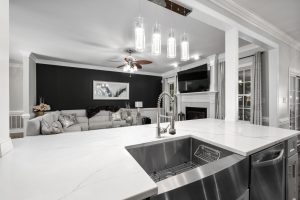
In the realm of professional environments, Möbel does more than just fill space; it sets the tone, enhances productivity, and reflects a company’s ethos. Whether it’s a sleek office chair or a robust conference table, the right furniture can transform a workplace into a hub of innovation and efficiency. This blog dives into the significance of furniture in professional settings, offering insights on how to choose pieces that not only serve practical needs but also align with company values.
Setting the Stage for Productivity
Imagine walking into an office that exudes comfort and functionality. Furniture plays a crucial role in creating such spaces. Ergonomic chairs and adjustable desks aren’t just trends; they’re essential for promoting health and productivity. Employees who feel physically comfortable are more likely to focus and engage in their work effectively.
Investing in quality furniture can lead to fewer health complaints and reduced absenteeism. For instance, ergonomic chairs support posture and reduce back pain, which is a common issue in sedentary jobs. Adjustable desks allow workers to alternate between sitting and standing, fostering a dynamic environment that encourages movement and reduces fatigue.
A well-designed workspace also facilitates better communication and collaboration. Modular furniture that can be rearranged easily supports team discussions and brainstorming sessions. When employees have the flexibility to create their ideal work setup, they feel empowered and motivated to perform at their best.
Reflecting Brand Identity
Furniture is an extension of a company’s brand identity. It communicates values and culture to employees and clients alike. A minimalist design with clean lines might suggest efficiency and modernity, while vintage pieces could convey a sense of tradition and reliability. The style and quality of furniture can impress visitors and potential clients, subtly influencing their perception of the business.
Choosing furniture that aligns with a company’s mission and values can enhance brand coherence. For example, an eco-conscious business might opt for sustainably sourced materials, reinforcing its commitment to environmental responsibility. Consistency in design across all office spaces ensures that every interaction with the brand feels intentional and authentic.
Incorporating color psychology into furniture choices is another way to reflect brand identity. Colors can evoke specific emotions; blue often represents trust and calm, while red can stimulate energy and passion. By strategically selecting furniture hues, businesses can reinforce the desired atmosphere and cultural messages within their workspace.
Adapting to Evolving Trends
The world of furniture is not static. Trends evolve alongside shifts in work culture and technology. Today, the focus is on creating flexible, adaptable spaces that accommodate various work styles and technological needs. Furniture that integrates with technology, such as desks with built-in charging ports or conference tables with video conferencing capabilities, is increasingly valuable.
Another emerging trend is biophilic design, which incorporates natural elements into office spaces. Furniture made from natural woods or adorned with plant life can improve air quality and boost employee well-being. These designs aim to bring a touch of nature indoors, creating serene environments that enhance creativity and reduce stress.
Businesses should stay informed about these trends to ensure their workspaces remain functional and inspiring. By doing so, they not only retain talent but also attract forward-thinking clients and partners who appreciate innovation and adaptability.
Conclusion
Furniture in professional environments is far more than utilitarian. It’s a strategic asset that shapes the work experience, reflects brand identity, and adapts to the needs of a modern workforce. By thoughtfully selecting and arranging furniture, businesses can create spaces that foster productivity, creativity, and satisfaction. Whether you’re redesigning an office or setting up a new workspace, consider the profound impact that furniture can have on your company’s success.