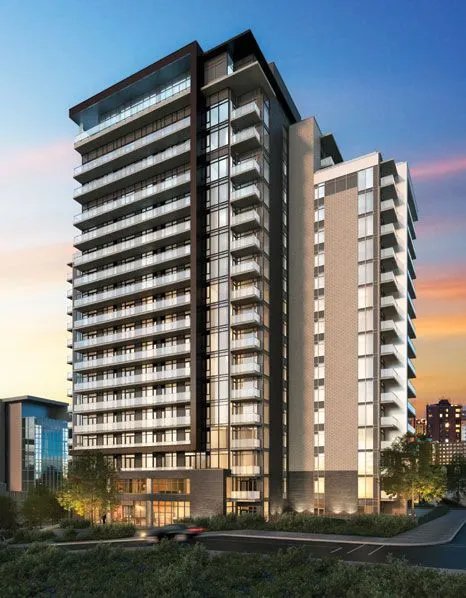
Some mornings you hear birds before you hear traffic. In Singapore, that is not luck. It is planning. The island is small, yet green corners sit right beside busy roads. Homes such as Chencharu Central Residences belong to that mix, where a park walk and a train ride can share the same day.
Buyers want both. They want leaves and lifts, shade and shops. It sounds like a tall order, and sometimes it is. This article looks at how people weigh trees against transport, and which small details show whether a home gets the balance right.
Green Spaces Near Home
Singapore stitches parks into everyday neighbourhoods. Connectors follow canals and old rail lines. One short stroll can take you from a lift lobby to a quiet trail. Many buyers now check the map for green before they check the price. Fair enough. A tree-lined path changes how a Tuesday feels.
Still, a park on paper is not always a park in practice. Visit at dusk. Watch who shows up. Joggers, kids and uncles with small radios are a good sign. Buyers researching places like Fablewoode Residences usually ask the same thing: what does the nearest green patch really look like?
City Links That Matter
Green is lovely, but jobs are not in the forest. Trains, buses and expressways shape your daily mood. A ten minute walk to a station can save you an hour every week. Do the sum yourself. It adds up faster than most people expect.
Check the last stretch too. Is it sheltered? Is the pavement flat? Rain in Singapore arrives like a loud guest with no warning. Covered walkways seem boring until the day you need one. Then they feel like a small miracle.
Noise, Air and Sleep
Busy areas come with sound. Buses hiss, motorbikes growl, and someone always seems to be drilling. Trees help a little, since leaves soften noise and cool the air. They are not magic, though. A wall of green will not erase a main road.
Stand outside at different hours and just listen. Morning rush, lunch, midnight. Look at which way the windows face. A unit that sits a few floors up, or behind a bend, can feel like another world. Sleep quality is worth more than a nice view.
Daily Needs Within Reach
Life runs on small errands. Milk, medicine, a haircut, a quick dinner. When these sit close, you stop planning trips and start living. Hawker centres, clinics, supermarkets and schools all count, even the ones you rarely use.
Walk the nearby blocks like a tourist in your own future. Notice the bakery smell. Notice the queue at the kopitiam. A neighbourhood with a pulse feels safer and friendlier. Too quiet can feel lonely, and too crowded can feel tiring. Most people want somewhere in the middle.
Room to Breathe Indoors
A home can sit beside a park and still feel stuffy. Layout matters. Big windows, good airflow and a balcony you will actually use make the green feel close. Even a small ledge with herbs can help. Ask about orientation, too.
Think of the flat as a lung, not a box. Light should reach the corners. Air should move through. Residents of Central Residences or any similar project will care about this once the novelty of a new place wears off. Open a window during a viewing. Stay a while.
Value That Lasts Years
Prices rise and fall, but liveable places tend to hold interest. Buyers later on will ask the same things you ask now. Is it easy to get around? Is there somewhere to walk the dog? Homes that answer yes to both usually stay appealing.
Do not chase one feature alone. A great park with a hard commute loses charm fast. A perfect station with no air to breathe gets old too. Balance is dull to say and wonderful to own. Compare a few options, take notes, and trust the patterns.
Conclusion
Nature and convenience do not have to fight. In Singapore, they often sit a few minutes apart. The trick is checking both with your own eyes, at different times of day, instead of trusting a brochure. Walk it. Ride it. Listen to it.
Projects like Residences show how many buyers now think. They want shade after work and a station before it. Keep that two part test in mind. A home that passes it will likely feel good on an ordinary Wednesday, which is really the day that counts.
What You Need to Know
- Singapore’s urban planning integrates green spaces into residential areas, allowing buyers to enjoy both nature and convenience.
- Proximity to public transport is a critical factor for homebuyers, with a short walk to stations being advantageous for daily commutes.
- Outdoor noise can impact living quality, and trees can mitigate some sound, but they do not completely eliminate the effects of busy roads.
- Having essential services like hawker centres, clinics, and supermarkets nearby enhances community vibrancy and convenience for residents.
- Home layouts that promote airflow and natural light contribute to a more enjoyable living environment, making the connection to nature feel more accessible.
- Balancing features such as green spaces and transport options is essential for long-term property value and buyer satisfaction.