Step off a concrete forecourt and into a shaded garden. The air changes in seconds. It feels softer, a little damp, a few degrees cooler. That is no accident. Designers plan it, using plants, water, wind and surface choices, and the result can make a whole development easier to live in.
Buyers eyeing Langdon Heights or similar homes often admire the greenery first. Fair enough. Yet good landscape work does more than look pretty. It cools paths, lowers glare and eases power use indoors. This article explains how, step by step.
Why Hard Surfaces Trap Heat
Concrete and dark paving soak up sun all day. By evening they give that heat back, slowly, like a stove left warm after dinner. Dense building areas run hotter than nearby green spaces for exactly this reason. Planners call it the urban heat island effect.
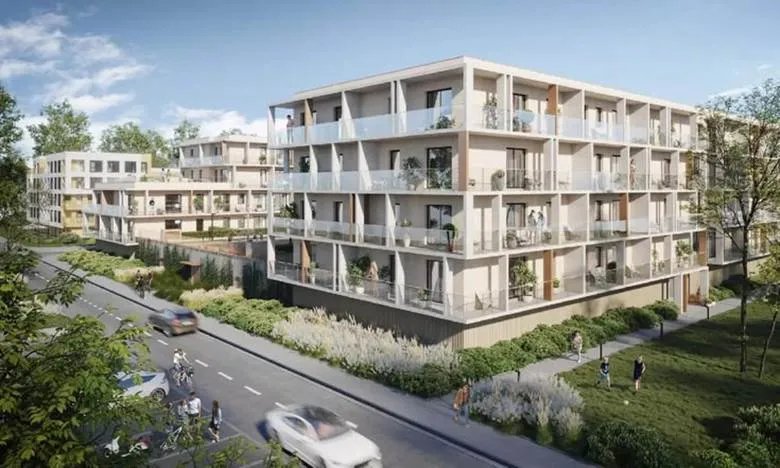
Residents feel it on walks home, on balconies and inside flats with sun facing walls. Anyone studying Chencharu Central Residences, or any compact residential project, can look at the ground plan and spot where hard surfaces dominate. Those are the hot spots.
Trees That Shade and Cool
Shade is the strongest tool. A broad canopy blocks sunlight before it hits the ground, and surfaces under trees stay noticeably cooler than open ones. Leaves also release water vapour, which cools the air a little more.
Placement matters. Trees on the west side of buildings catch the harsh afternoon sun. Tall species along walkways make a green tunnel. Native varieties usually cope better with local rain and soil, and they need less watering once settled.
Water Features and Breezes
Water cools by evaporation. A pond, stream or shallow pool near a seating area lowers the feel of the air, even if only a little. Moving water also adds a soft sound that masks road noise.
Wind helps too. Designers leave open corridors so breezes can pass between blocks instead of stalling behind hedges. Langdon Heights residents, like anyone in a warm climate, notice how a gentle draught under a tree beats any fan.
Paths, Pavers and Cool Ground
Surface choice changes everything. Light coloured pavers reflect more sunlight than dark ones. Permeable pavers let rain soak through, which keeps soil damp and cools the ground. Gravel and timber decks behave differently so mix them with care.
Grass between stepping stones gives soft, cool footing. Bare patches turn hot fast. Shaded rest spots along longer paths help older residents and small kids. A walkway that feels cool gets used, and that is the real test of good design.
Layered Planting Does More Work
Trees alone are not enough. Shrubs, groundcovers and climbers add layers, each shading the one below. Groundcover protects soil from sun, so it holds moisture longer.
Vertical green on walls and trellises cools the building skin. Roof gardens add insulation above top floors. Together, these layers lower heat gain, which can trim air conditioning use. The effect varies, though, so treat savings as a bonus, not a promise.
Upkeep Keeps the Cooling Going
A garden is alive. Trees need pruning, irrigation needs checking, and sick plants need replacing. Neglect brings bare soil, which heats up just like pavement. Check whether the estate uses drought-tolerant native plants, mulched beds, and drip lines instead of thirsty lawns that turn patchy during hot months. Thick groundcover and healthy leaf canopies shade walkways and block reflected heat before it reaches lower-floor windows. Inspecting how well mature plantings hold up during warm afternoons tells you whether cooling was built to last.
Good management plans for this early. Chencharu Central Residences and other homes enjoy cooler grounds when the maintenance team has a steady schedule and a clear budget. Ask who looks after the landscape, how often, and what happens in dry spells.
Conclusion
Cool microclimates come from many small choices. Shade trees, water, open breezes, smart paving and layered planting all pull in the same direction. When they work together, outdoor spaces feel kinder and indoor rooms stay calmer.
On your next visit, stand outside for ten minutes. Notice where the air feels cool and where it bakes. Those places tell you plenty about the design. A well planned landscape is comfort you can feel with every step.
What You Need to Know
- Good landscape design uses plants, water, wind, and surface choices to create comfortable living environments.
- The urban heat island effect causes dense building areas to be hotter than nearby green spaces, impacting residents’ comfort.
- Shade from trees is crucial for cooling outdoor spaces, as broad canopies block sunlight and release water vapor.
- Light-colored pavers reflect more sunlight, helping to maintain cooler surfaces compared to dark paving.
- Layered planting with trees, shrubs, and groundcovers is more effective for cooling than trees alone.
- Regular maintenance is essential for landscape health, as neglect can lead to barren soil that increases heat retention.