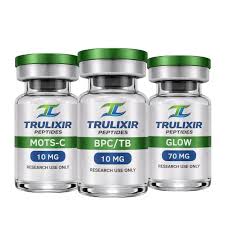
What makes peptides scientifically interesting?
Peptides are molecules formed through connections between amino acids, the building blocks of proteins. Their relatively specific structures allow them to interact with biological systems in different ways. As biotechnology develops, researchers studying peptides uk information and scientific applications are increasingly interested in understanding their molecular properties, biological functions, and potential research opportunities.
How are peptides different from proteins?
Both peptides and proteins consist of amino acids connected through peptide bonds. Their main differences generally involve molecular size, structural complexity, and biological behaviour.
Proteins often form larger structures with complex arrangements, while peptides are generally shorter chains. Despite their smaller structures, peptides can participate in important biological processes, including signalling and communication between cells.
What biological functions can peptides perform?
Naturally occurring peptides are involved in several processes throughout the human body. Some act as signalling molecules, while others participate in immune activity, hormone-related communication, and the regulation of biological functions.
Their activities depend on their molecular sequences and interactions with particular biological targets. This variety makes them valuable subjects for scientific investigation.
How do researchers study peptide structures?
Scientists use analytical and biochemical techniques to investigate peptide composition, molecular identity, and interactions. Laboratory methods can help determine whether a peptide has the expected characteristics and how it behaves under particular experimental conditions.
Researchers may also examine stability, solubility, and susceptibility to degradation. These properties can influence how peptides behave during laboratory investigations.
Why is stability important in peptide research?
Peptides may be affected by temperature, moisture, environmental conditions, and enzymatic activity. Their stability is therefore an important consideration during storage, handling, and experimental preparation.
Understanding these characteristics helps researchers interpret laboratory observations more accurately. It also highlights why product documentation should include appropriate technical information.
Are all peptides developed for medical treatment?
No. Peptides are investigated for different scientific purposes, and many materials are intended exclusively for laboratory research. A research compound should not be confused with an authorised pharmaceutical product.
Medical applications require appropriate development, safety evaluation, clinical evidence, and regulatory authorisation. Experimental findings alone are insufficient to establish suitability for treatment.
How does biotechnology benefit from peptide research?
Peptide research contributes to scientific understanding in areas such as molecular biology, drug discovery, biochemical analysis, and pharmaceutical development.
Researchers investigate how particular structures interact with biological targets and whether these interactions could inform future scientific developments. This work supports the broader exploration of biological mechanisms.
What should readers consider when exploring peptide information online?
Educational resources should explain molecular terminology clearly and distinguish established scientific knowledge from emerging research. Commercial websites should not be treated as substitutes for independent publications or regulatory guidance.
Readers should also check whether claims refer to laboratory observations or demonstrated clinical outcomes.
What does the future hold for peptide science?
Continuing research may improve understanding of peptide structure, stability, and biological interactions. Advances in analytical technology and biotechnology could support further investigations into their possible applications.
However, scientific progress requires careful testing and independent evaluation. A balanced understanding of peptide science begins with evidence, transparency, and realistic expectations.
The Short Version
- Peptides are molecules formed through connections between amino acids and can vary in size and complexity compared to proteins.
- Naturally occurring peptides play crucial roles in various biological processes, including signaling, immune activity, and hormone communication.
- Researchers employ analytical and biochemical techniques to study peptide composition, stability, and interactions to understand their behavior in laboratory environments.
- Peptides are not always developed for medical treatment; many are intended for laboratory research and need rigorous evaluation before clinical use.
- Peptide research enhances scientific understanding in drug discovery, molecular biology, and pharmaceutical development while supporting the exploration of biological mechanisms.
- It is important for readers to differentiate between established scientific knowledge and emerging research when seeking information about peptides online.